
Brent Crude Oil Morning Brief – June 22, 2026
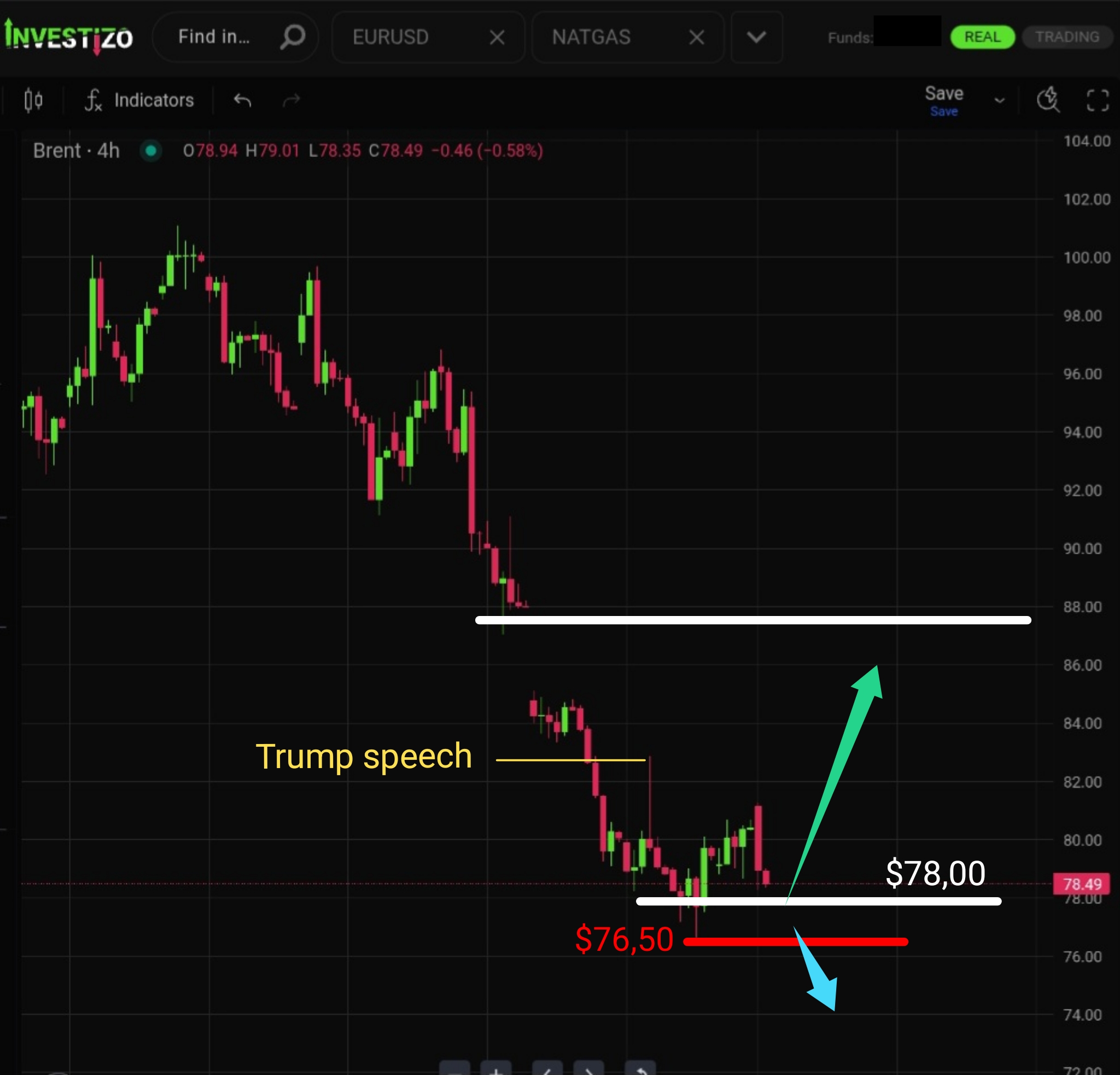
The global energy market is undergoing a rapid reset following a weekend breakthrough in diplomatic negotiations between the United States and Iran. Just days after a temporary suspension of Swiss summit talks caused a speculative price spike, Iranian Foreign Minister Abbas Aragchi announced substantial progress in resolving the underlying conflict in Lebanon. Brokered through the mediation of Pakistan and Qatar, a 60-day temporary cessation of hostilities has been signed. For global supply chains, this agreement includes the immediate lifting of naval blockades on Iranian ports, the unfreezing of restricted state assets, and an exemption of Iranian oil and petrochemical products from active transit restrictions.
This diplomatic turnaround has instantly altered the physical reality at the world's most critical maritime chokepoint. The U.S. naval blockade has been dismantled, prompting a massive wave of maritime traffic to resume through the Strait of Hormuz. Vessel-tracking data has already captured the unhindered movement of multiple Indian supertankers alongside a broader commercial surge moving over 17 million barrels of oil within a single 24-hour window. This normalization of shipping corridors has unwound the geopolitical risk premium that accumulated late last week. Earlier, a highly volatile news cycle pushed Brent crude up by 2.2% to a local peak of $82.30 after the Trump administration stated the U.S. could take control of the channel and seize a 20% toll if a final accord fell through.
Despite the heavy wave of newly unlocked Middle Eastern supply, the market features a contrasting macroeconomic undercurrent regarding Western inventories. Fresh data confirms that crude inventories within the U.S. Strategic Petroleum Reserve (SPR) fell for the eighth consecutive week, languishing at their lowest absolute levels since 1983. To put the current structural deficit into historical context, a prolonged multi-week drawdown of this magnitude under similar macro conditions has occurred only nine times since the turn of the millennium. This physical drain means that while the immediate supply squeeze is easing due to Persian Gulf diplomacy, the global inventory cushion remains exceptionally thin.
Market Outlook: Reacting to the diplomatic relief out of Switzerland and the subsequent reopening of the Persian Gulf, Brent crude has dropped from its recent highs to trade at $78.49 per barrel. The near-term path of least resistance has decisively tilted to the downside as speculative long positions capitulate in the face of returning physical volume. For the upcoming sessions, sellers are looking to test and solidify a break below immediate structural support at the $76.50 zone, which could open the door for an extension toward $75.00. However, because the exhaustion of the U.S. Strategic Petroleum Reserve caps deeper structural selling, any further localized flushes are expected to find firm buying interest near $76.20, preventing a complete breakdown as traders digest the 60-day peace window.